Home › Guides › Plumbing › How to unclog a drain (and when to stop and call a plumber)
GuideA slow or clogged drain is one of the most common household annoyances — and one you can often fix yourself in a few minutes. But some clogs are a warning sign of something bigger, and a few common 'fixes' can make things worse. Here's how to clear a drain safely, and how to know when it's a job for a plumber.
Start low-tech: remove and clean the drain stopper and visible hair, try a plunger (seal the overflow for sinks), or use a drain snake or even a straightened wire hanger to pull out a near-surface clog. For grease or soap buildup, hot water and a bit of dish soap, or a baking-soda-then-vinegar flush, can break it up. These clear most everyday clogs.
Harsh chemical drain cleaners are tempting but risky — they can damage pipes (especially older ones), harm fixtures, create dangerous fumes, and if they don't clear the clog, you've now got caustic chemicals sitting in the line for a plumber to deal with. Mechanical methods (plunger, snake) are safer and usually more effective.
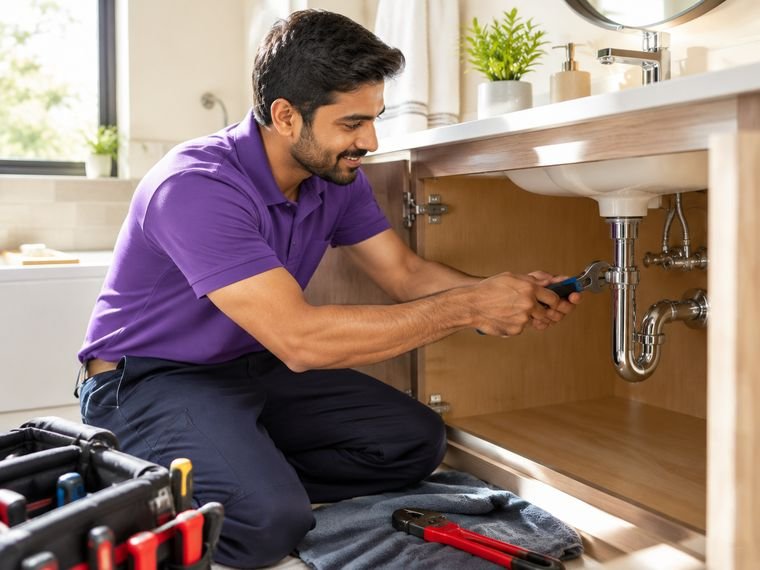
For a stubborn sink clog, the P-trap (the curved pipe under the sink) is often where it's stuck. Put a bucket under it, unscrew the connections, clean out the gunk, and reassemble. It's a genuinely DIY-friendly fix for bathroom and kitchen sinks — just don't overtighten the fittings on reassembly.
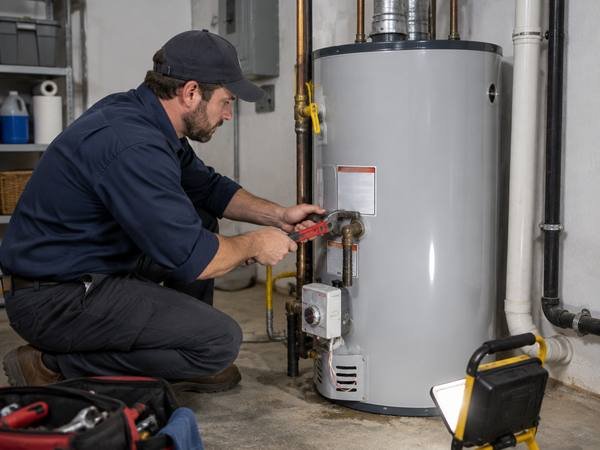
Stop DIYing and call a plumber if: multiple drains are slow at once, water backs up into other fixtures (a tub filling when you flush), you smell sewage, the clog keeps returning, or you hear gurgling across fixtures. These point to a main-line or sewer issue, not a local clog — and chemical cleaners or repeated snaking won't fix it.
Use drain screens to catch hair and food, never pour grease down the drain (let it solidify and trash it), flush drains periodically with hot water, and address slow drains early before they become full blocks. A little prevention saves most drain calls entirely.
If the simple methods don't work, or you see the main-line warning signs, book a licensed plumber rather than escalating to chemicals or force. On Genie, plumbing goes to licensed, insured pros at an upfront or quoted price, with payment held until it's fixed — so a recurring or serious clog gets properly diagnosed, not just pushed further down the line.
Every task in this guide is something you can book on Genie — vetted, insured pros at an upfront price:
Clean the stopper and visible hair, try a plunger or a drain snake, and for buildup flush with hot water and dish soap or a baking-soda-and-vinegar treatment. For sinks, cleaning the P-trap under the sink often does it.
They're risky — they can damage pipes and fixtures, create fumes, and leave caustic chemicals in the line if they fail. Mechanical methods like a plunger or snake are safer and usually more effective.
When multiple drains are slow at once, water backs up into other fixtures, you smell sewage, or the clog keeps returning. Those point to a main-line issue that needs a licensed plumber.