Home › Guides › Plumbing › Burst pipe? What to do right now (step by step)
GuideA burst pipe can dump litres of water into your home every minute, so the first few minutes matter enormously. Stay calm and work the steps in order — stopping the water comes before everything else. Here's exactly what to do right now, and how to make sure it doesn't happen again.
Go straight to your main water shut-off valve and turn it off — this stops the flow at the source and is the single most important step. Know where this valve is before an emergency (usually where the water line enters the home, often in the basement or a utility area). If the burst is near your water heater, shut that off too.
Open cold taps to drain the pipes and relieve pressure, then open hot taps after shutting off the water heater. This clears the water still sitting in the lines so less of it ends up on your floor. Flushing toilets also helps drain the system.
Move furniture, electronics and valuables away from the water, and soak up or contain what you can with towels, buckets and a mop or wet-vac. If water is near electrical outlets or the panel, don't touch anything electrical that's wet — shut off power to the affected area at the breaker if you can do so safely.
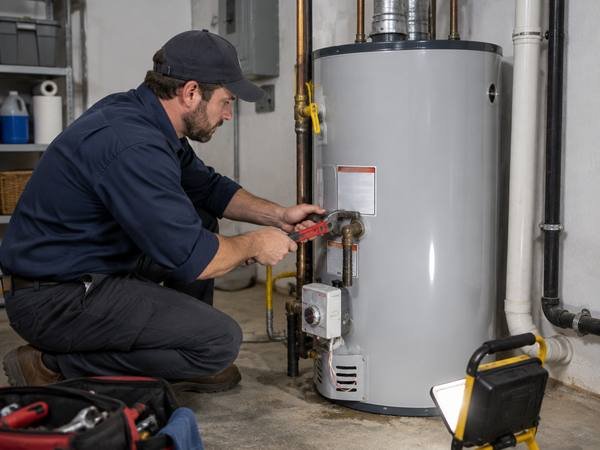
A burst pipe needs a licensed plumber promptly — the repair itself plus assessment of hidden damage. The faster it's fixed and dried out, the less secondary damage (rot, mould) you'll face. Document everything with photos for insurance before and during cleanup.
Water damage doesn't end when the leak stops — trapped moisture leads to mould within days. Dry the area thoroughly with fans and dehumidifiers, and for significant water, bring in water-damage pros who can assess behind walls and under floors. What you can't see is what causes long-term problems.
Most burst pipes are preventable: insulate exposed pipes in unheated areas, keep heat consistent in winter, disconnect outdoor hoses before freezing, and let faucets trickle during extreme cold. If a pipe burst once, have a plumber check for others at risk. On Genie, licensed plumbers handle both the emergency fix and prevention at an upfront or quoted price.
Every task in this guide is something you can book on Genie — vetted, insured pros at an upfront price:
Shut off the water at the main valve immediately — it stops the flow at the source. Know where that valve is before an emergency. Then drain the taps, limit the damage, and get a licensed plumber fast.
Insulate exposed pipes in unheated areas, keep heat consistent in winter, disconnect outdoor hoses before freezing, and let faucets trickle during extreme cold. A plumber can insulate the most vulnerable runs.
Yes — a licensed plumber for the repair, and for significant water, water-damage pros to dry thoroughly and check behind walls. Trapped moisture causes mould within days if not properly dried.