Home › Guides › Electrical › Home electrical guide: safe fixes, licensed work, and when you need a permit
GuideElectrical work is where DIY confidence meets real danger. Some tasks are perfectly fine to do yourself; others can start a fire, void your insurance, or create a hazard that only shows up months later. This guide draws the line clearly — what's safe, what's licensed-only, when you need a permit, and the warning signs that mean stop and get a pro.
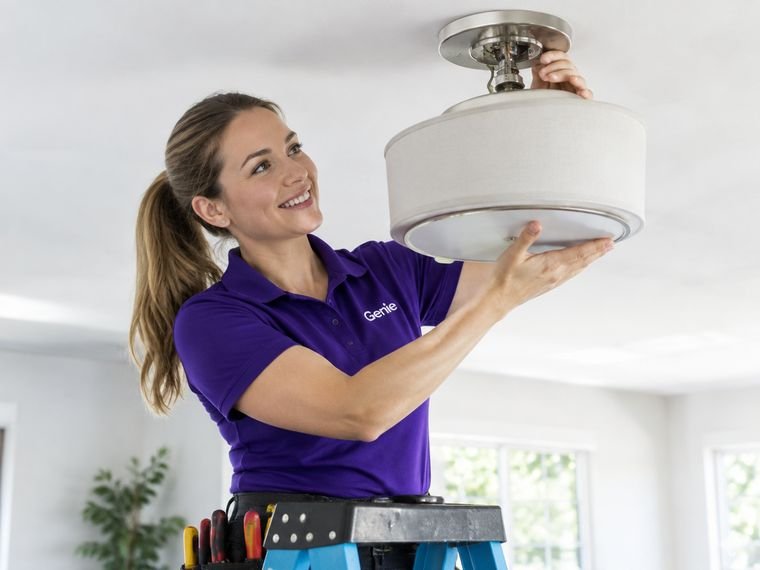
A few jobs are genuinely homeowner-friendly if you turn the power off at the breaker first: replacing a light fixture with an identical type, swapping a plug-in device, changing a switch or outlet cover, and resetting a tripped breaker or GFCI. If it's a like-for-like swap with no new wiring and the power is off and verified, you're usually within safe territory.
New circuits, panel upgrades or replacements, EV charger installs, rewiring, adding outlets or switches where there's no existing wiring, and anything behind the wall all need a licensed electrician. This isn't bureaucracy — it's about fire safety, grounding, correct load calculations, and code compliance that protects your home and your insurance.
Permits are commonly required for new circuits, panel work, EV chargers and significant additions. The permit brings an inspection, which is your proof the work was done to code. Skipping it can cause problems at resale, void insurance claims after an electrical fire, and leave you with unsafe work nobody checked. A licensed electrician handles the permit and inspection as part of the job.
Don't ignore these: breakers that trip repeatedly, outlets that are warm or discoloured, a burning smell, flickering lights across the home, buzzing from switches or panels, or two-prong ungrounded outlets in an older home. Any of these means stop using the circuit and get a licensed electrician to inspect — electrical fires often give warning first.
Homes built decades ago were wired for a fraction of today's electrical load. If you're adding a home office, EV charger, hot tub, or heavy appliances, you may be pushing an old panel past its safe capacity. An electrician can assess whether your service and panel can handle new loads before you find out the hard way.
Because electrical work is high-stakes, verification is non-negotiable: current licensing, insurance, and reviews on comparable work. On Genie, electrical jobs route to licensed, insured electricians, scope and price are captured before work starts, any added work needs your approval, and payment is held until the job's confirmed — so you're never paying upfront for unverified work behind your walls.
Every task in this guide is something you can book on Genie — vetted, insured pros at an upfront price:
A like-for-like fixture swap with the power off at the breaker is generally fine. New wiring, new circuits, panels and EV chargers need a licensed electrician.
Often yes for new circuits, panel work, EV chargers and additions. The permit brings an inspection that proves the work is to code — a licensed electrician handles it as part of the job.
Repeated breaker trips, warm or discoloured outlets, burning smells, home-wide flickering, or buzzing panels. Stop using the circuit and get a licensed electrician to inspect.